
Electric Grids - Complete Study Notes
1. What is an Electric Grid?
An Electric Grid is a large interconnected network that generates, transmits, distributes, and delivers electrical power from power plants to homes, industries, commercial buildings, and other consumers.
It consists of power stations, transformers, substations, transmission lines, distribution lines, and control systems that work together to ensure continuous and reliable electricity supply.
An Electric Grid is an interconnected system used for generating, transmitting, distributing, and controlling electrical energy safely and efficiently.
2. Components of an Electric Grid
| Component | Function |
|---|---|
| Power Plant | Generates electricity |
| Transformer | Steps voltage up or down |
| Transmission Lines | Carry electricity over long distances |
| Substation | Controls and distributes electricity |
| Distribution Lines | Supply electricity to homes and industries |
| Consumers | Use electrical energy |
3. Working of an Electric Grid
4. Types of Electric Grids
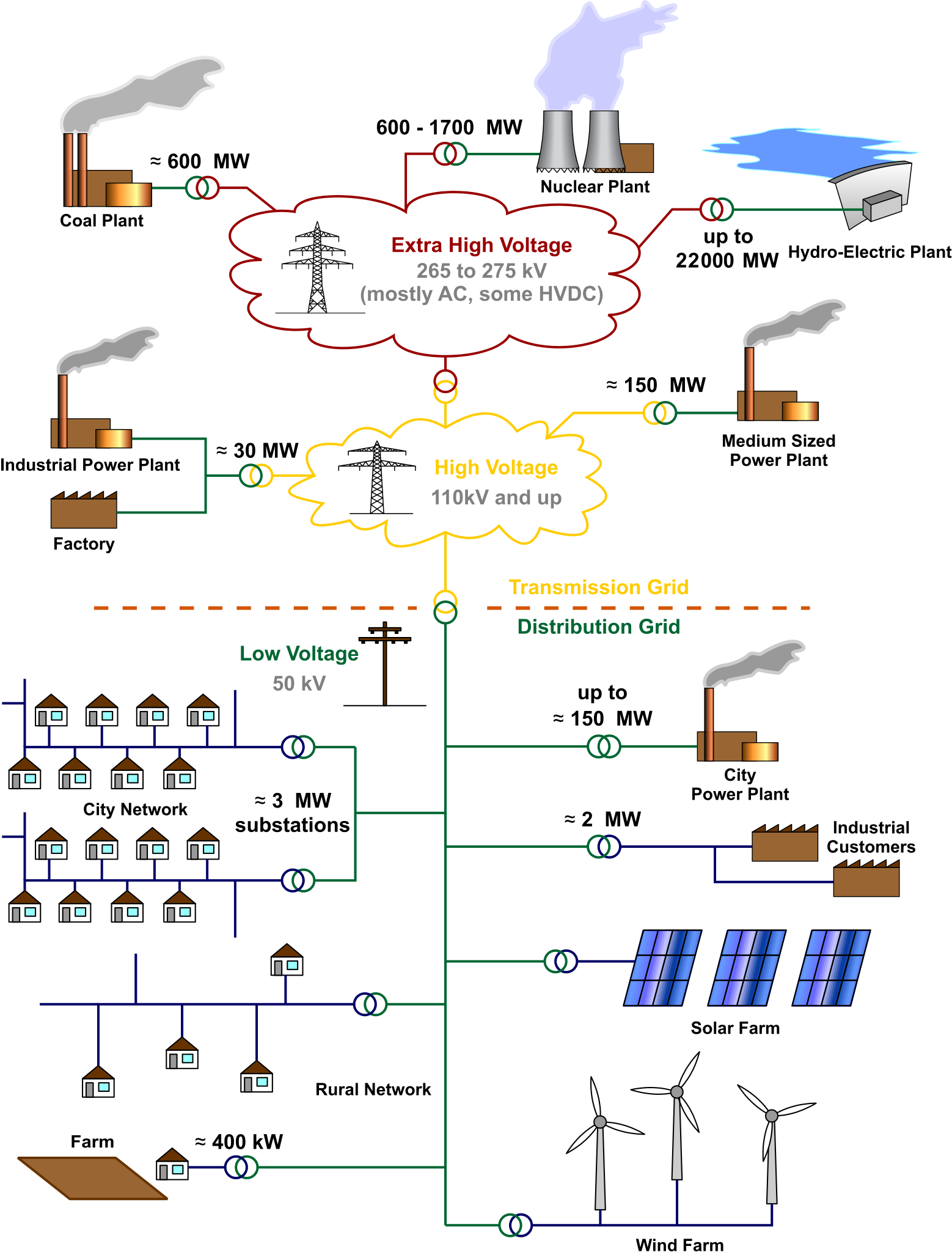
Figure 1: Smart Grid Architecture
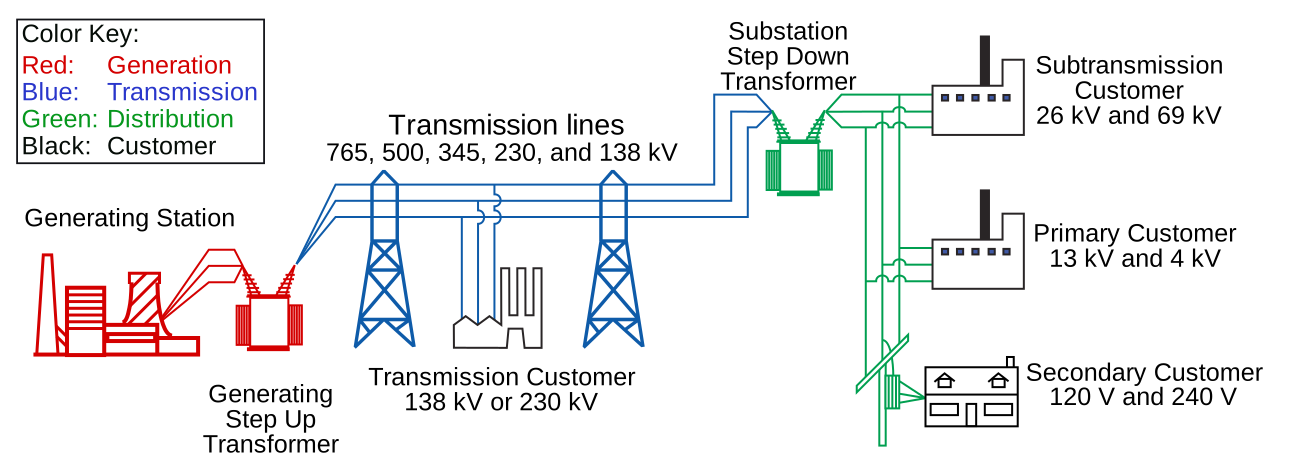
Figure 2: Electric Grid Components
Figure 3: Smart Meter Communication
1. Conventional Grid
A Conventional Grid is a traditional electricity network where power flows only in one direction—from the power plant to the consumer.
Features- One-way communication
- Manual monitoring
- Limited automation
- Difficult fault detection
- Less efficient
2. Smart Grid
A Smart Grid is an advanced electricity network that uses digital communication, Artificial Intelligence, IoT sensors, and automation to monitor and control power flow.
Features- Two-way communication
- Automatic fault detection
- Real-time monitoring
- AI-based decision making
- Renewable energy integration
- Smart meters
3. Microgrid
A Microgrid is a small local electrical network that can operate independently or together with the main power grid.
Applications- Hospitals
- Universities
- Military bases
- Industrial campuses
- Remote villages
4. National Grid
A National Grid connects multiple power stations and substations across an entire country to provide uninterrupted electricity supply.
5. Advantages of Electric Grids
- Reliable electricity supply
- Continuous power availability
- Efficient transmission of electricity
- Reduced transmission losses
- Supports industrial growth
- Easy fault detection
- Power sharing between regions
- Improved voltage regulation
- Supports renewable energy sources
- Economic operation of power plants
- Improves national energy security
- Scalable for future expansion
6. Disadvantages of Electric Grids
- High installation cost
- Large maintenance expenses
- Power outages affect many users
- Transmission losses over long distances
- Cybersecurity risks in smart grids
- Complex infrastructure
- Natural disasters can damage the grid
7. Applications (Uses) of Electric Grids
- Supplying electricity to homes
- Industrial manufacturing
- Commercial buildings
- Hospitals
- Educational institutions
- Railways and metro systems
- Street lighting
- Agricultural irrigation
- Electric vehicle charging stations
- Data centers
- Renewable energy integration
- Smart city infrastructure
8. Conventional Grid vs Smart Grid
| Feature | Conventional Grid | Smart Grid |
|---|---|---|
| Communication | One-way | Two-way |
| Automation | Low | High |
| Monitoring | Manual | Real-Time |
| Fault Detection | Slow | Automatic |
| Energy Efficiency | Lower | Higher |
| Renewable Energy | Limited | Easy Integration |
| Power Flow | One Direction | Two Directions |
9. Challenges of Modern Electric Grids
- Increasing electricity demand
- Renewable energy integration
- Grid cybersecurity
- Equipment aging
- Climate change impacts
- Power quality management
- Energy storage requirements
- Electric vehicle charging demand
10. Future of Electric Grids
- Artificial Intelligence (AI)
- Machine Learning (ML)
- Internet of Things (IoT)
- Digital Twin Technology
- Blockchain-based energy trading
- Vehicle-to-Grid (V2G)
- Renewable energy integration
- Autonomous self-healing grids
- Advanced battery storage systems
11. Conclusion
Electric grids are the backbone of modern power systems, ensuring that electricity generated at power plants reaches consumers safely and efficiently. Traditional grids have evolved into intelligent smart grids that use Artificial Intelligence, IoT, and automation for improved reliability, efficiency, and sustainability. Smart grids support renewable energy integration, real-time monitoring, automatic fault detection, and better energy management, making them essential for future smart cities and sustainable development.
No comments:
Post a Comment