
Waste Management Notes
Complete Study Material
1. Introduction to Waste Management
Waste management is the systematic process of collecting, transporting, processing, recycling, treating, and disposing of waste materials generated by human activities in a manner that minimizes environmental and health impacts.
Definition
Waste Management is the collection, transportation, processing, recycling, and disposal of waste materials to reduce their harmful effects on human health and the environment.
Objectives
- Protect public health
- Reduce environmental pollution
- Conserve natural resources
- Promote recycling and reuse
- Generate energy from waste
- Support sustainable development
2. Types of Waste
A. Municipal Solid Waste (MSW)
Generated from households, schools, offices, markets, parks and institutions.
- Food waste
- Paper
- Plastic
- Glass
- Metals
- Textiles
B. Industrial Waste
- Chemicals
- Fly ash
- Sludge
- Scrap metals
- Wastewater
C. Biomedical Waste
- Syringes
- Blood bags
- Human tissues
- Medicines
- Needles
D. Hazardous Waste
Contains toxic or dangerous substances.
- Batteries
- Paints
- Pesticides
- Solvents
- Heavy metals
Characteristics: Toxic, Corrosive, Flammable, Reactive
E. Electronic Waste (E-Waste)
- Computers
- Mobile phones
- TVs
- Printers
- Circuit boards
Contains: Lead, Mercury, Cadmium, Copper, Gold
F. Construction and Demolition Waste
- Concrete
- Bricks
- Wood
- Steel
- Tiles
3. Sources of Waste
| Source | Examples |
|---|---|
| Residential | Kitchen waste, paper |
| Commercial | Packaging, plastics |
| Institutional | Schools, colleges |
| Industrial | Chemicals, scrap |
| Agricultural | Crop residues |
| Healthcare | Medical waste |
| Construction | Debris |
4. Waste Composition
| Component | Percentage |
|---|---|
| Organic Waste | 45–60% |
| Paper | 8–12% |
| Plastic | 6–10% |
| Glass | 2–5% |
| Metal | 2–4% |
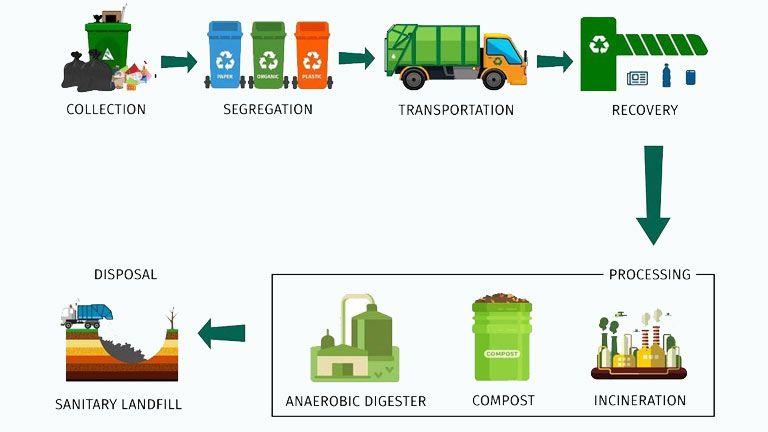
5. Functional Elements of Waste Management
2. Segregation →
3. Collection →
4. Transportation →
5. Processing →
6. Final Disposal
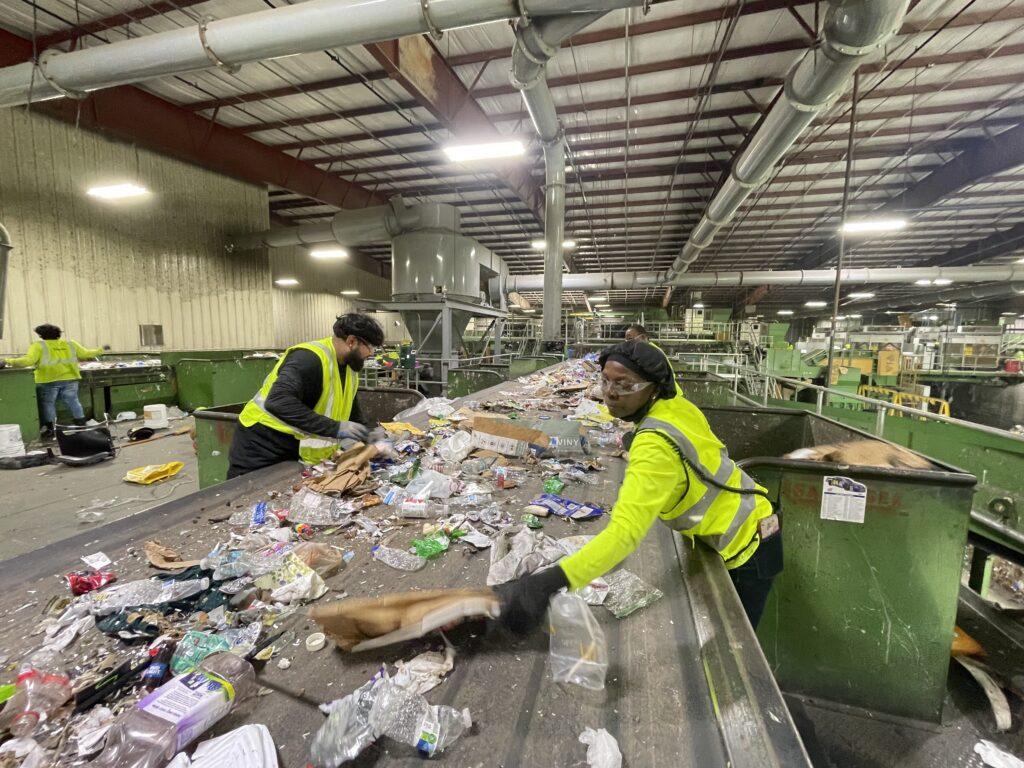
6. Waste Segregation
Wet Waste
- Vegetable peels
- Food waste
- Garden waste
Treatment: Composting, Biogas generation
Dry Waste
- Paper
- Plastic
- Glass
- Metal
Treatment: Recycling
Hazardous Waste
- Batteries
- Chemicals
- Paint
7. Waste Hierarchy (5Rs)
8. Collection Methods
- Door-to-door collection
- Community bin system
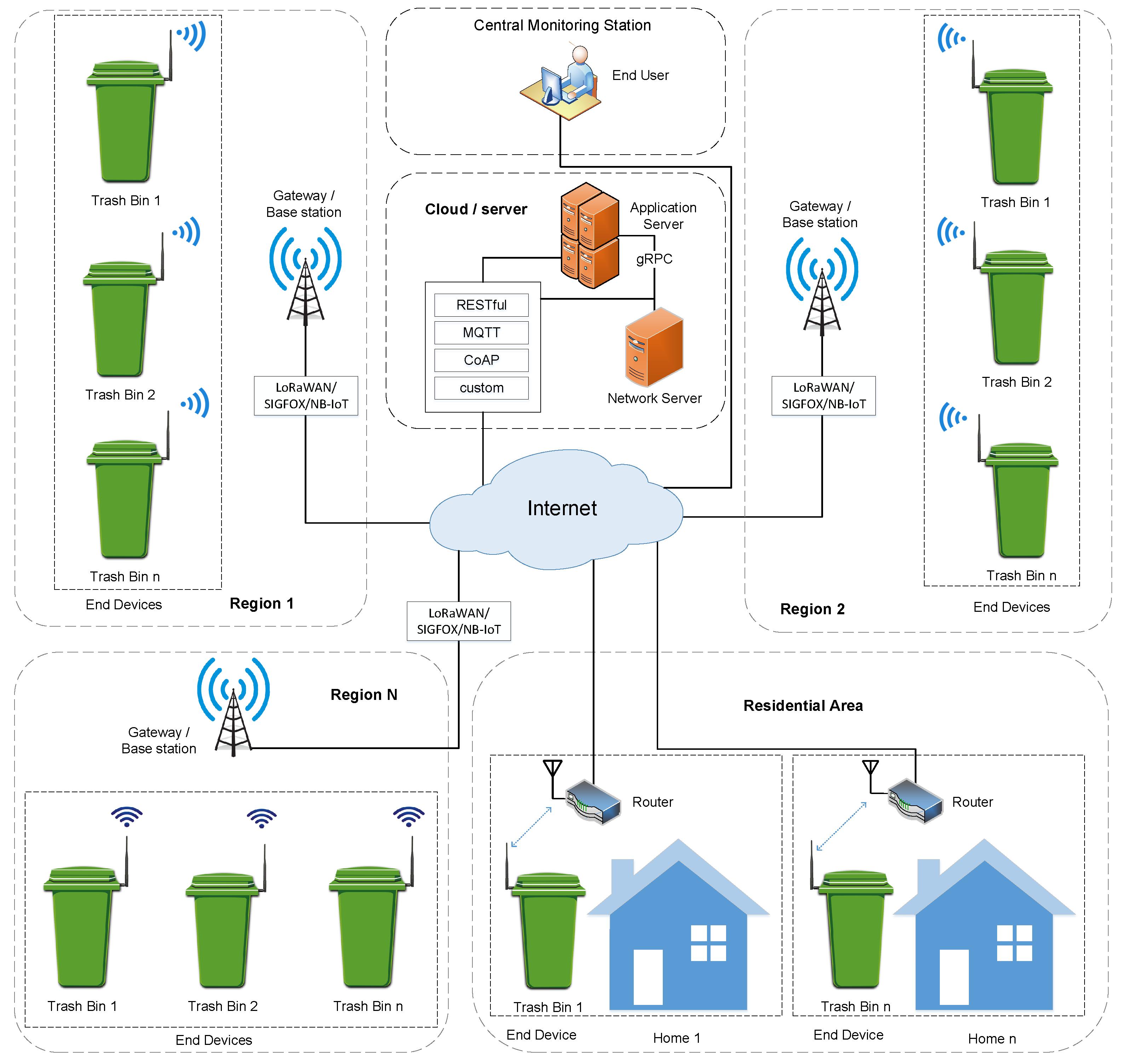
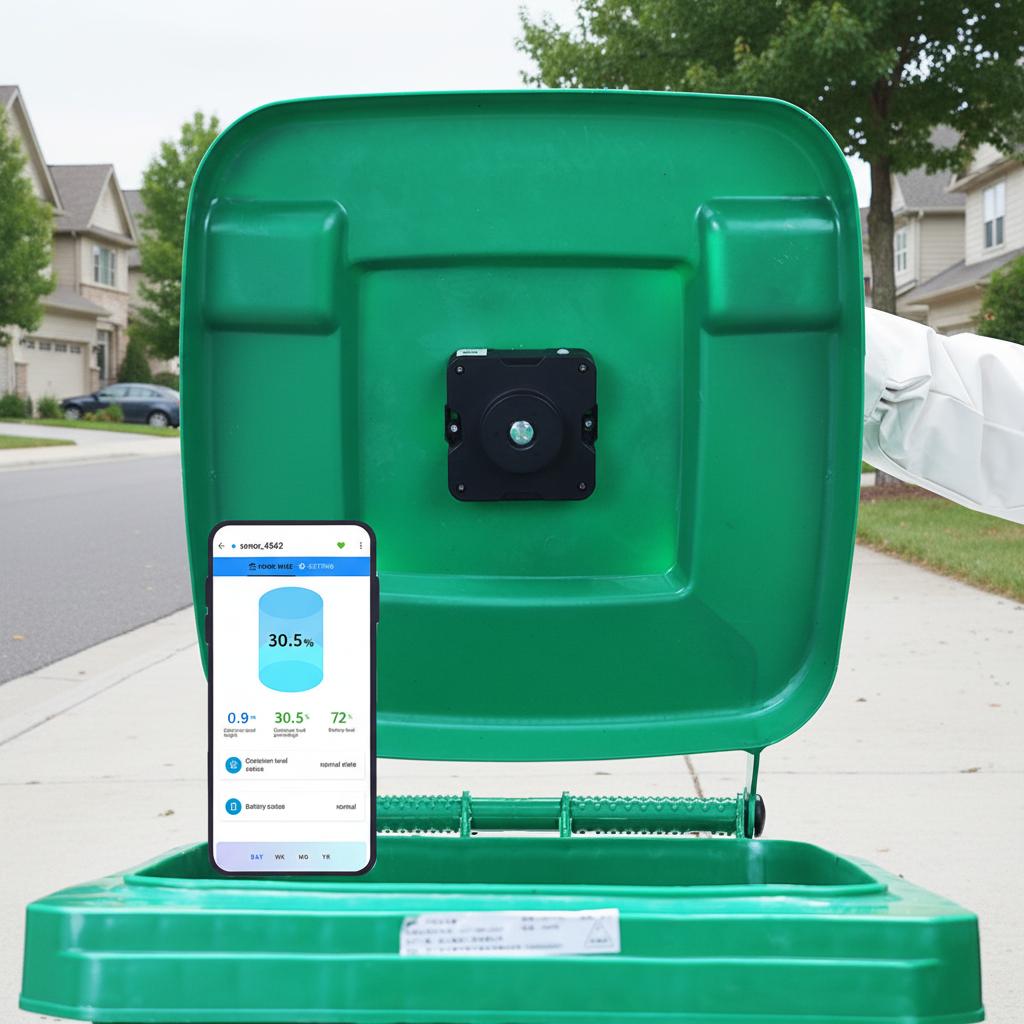
- Smart bin system using IoT sensors, GSM and GPS
9. Transportation of Waste
- Leak-proof vehicles
- Covered transport
- GPS monitoring
- Route optimization
10. Waste Processing Techniques
Composting
Biological decomposition of organic waste by microorganisms.
- Aerobic composting
- Anaerobic composting
- Vermicomposting
Recycling
- Plastic
- Paper
- Glass
- Aluminium
- Steel
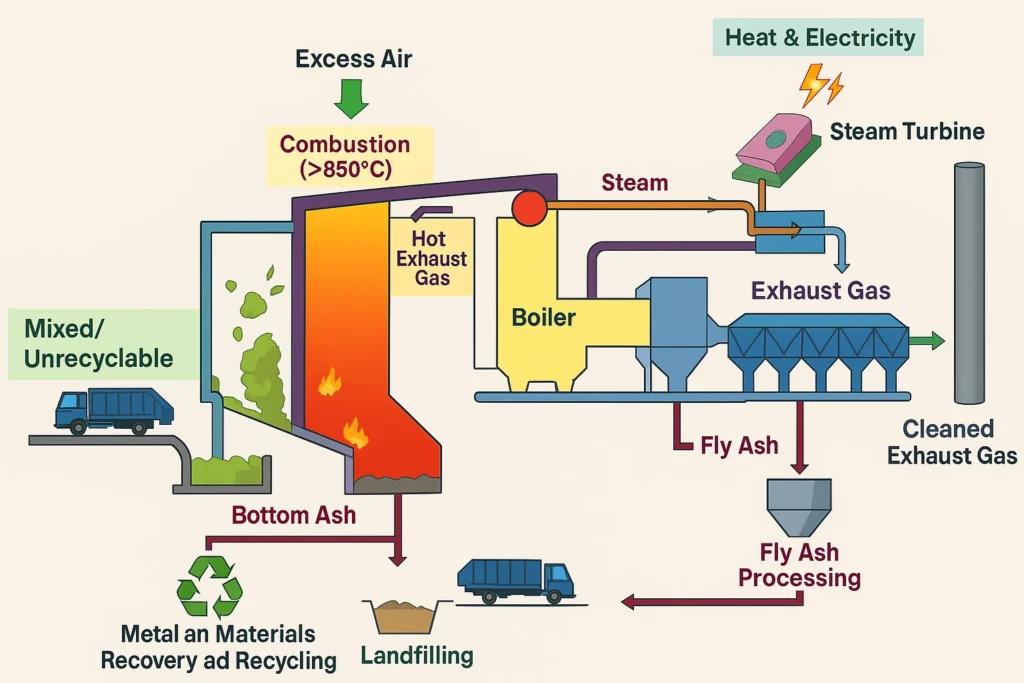
Incineration
Burning waste at high temperature (850–1200°C).
Pyrolysis and Gasification
Thermal treatment methods producing bio-oil, char and syngas.
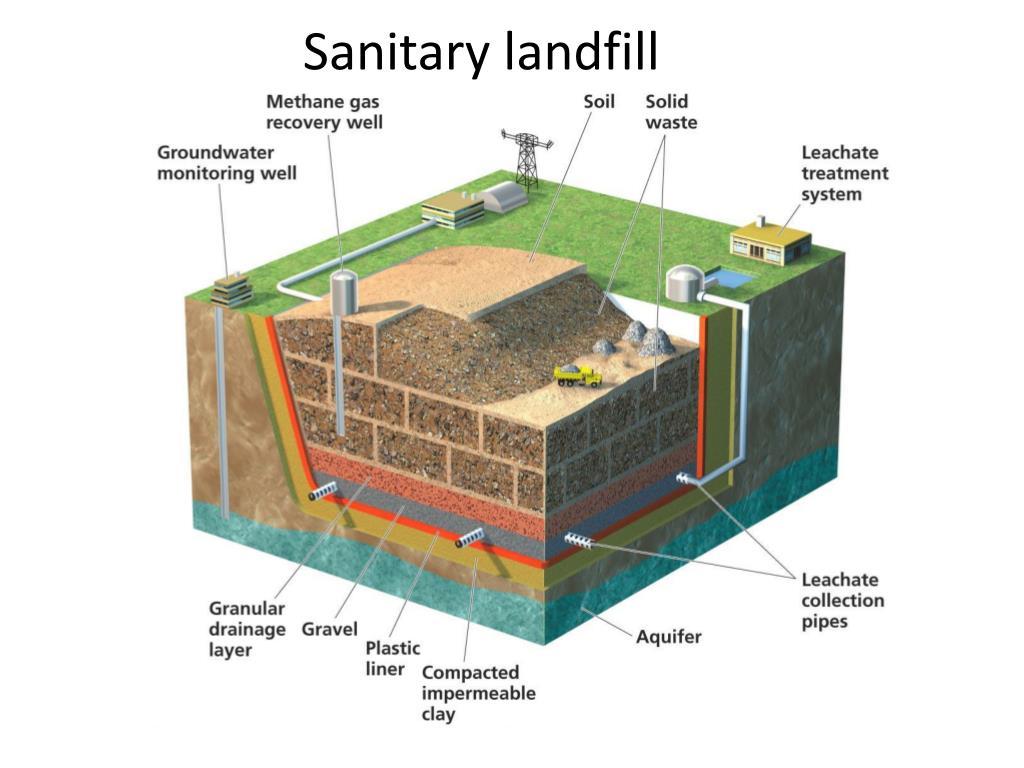
11. Landfill
A landfill is an engineered site designed for safe disposal of waste.
- Clay liner
- HDPE liner
- Leachate collection
- Gas vent
- Daily soil cover
12. Leachate
Liquid formed due to rainwater passing through waste.
- Biological treatment
- Reverse osmosis
- Chemical treatment
13. Waste-to-Energy
- Incineration
- Pyrolysis
- Gasification
- Anaerobic digestion
14. Plastic Waste Management
- Reduce plastic use
- Reuse
- Recycling
- Plastic roads
- Pyrolysis
15. E-Waste Management
16. Biomedical Waste Management
| Color | Waste |
|---|---|
| Yellow | Human tissues |
| Red | Plastic waste |
| White | Sharps |
| Blue | Glass |
17. Environmental Impacts of Poor Waste Management
- Water pollution
- Air pollution
- Soil contamination
- Disease spread
- Greenhouse gases
- Biodiversity loss
18. Smart Waste Management Using AI and IoT
- Smart bins
- Ultrasonic sensors
- GPS
- RFID
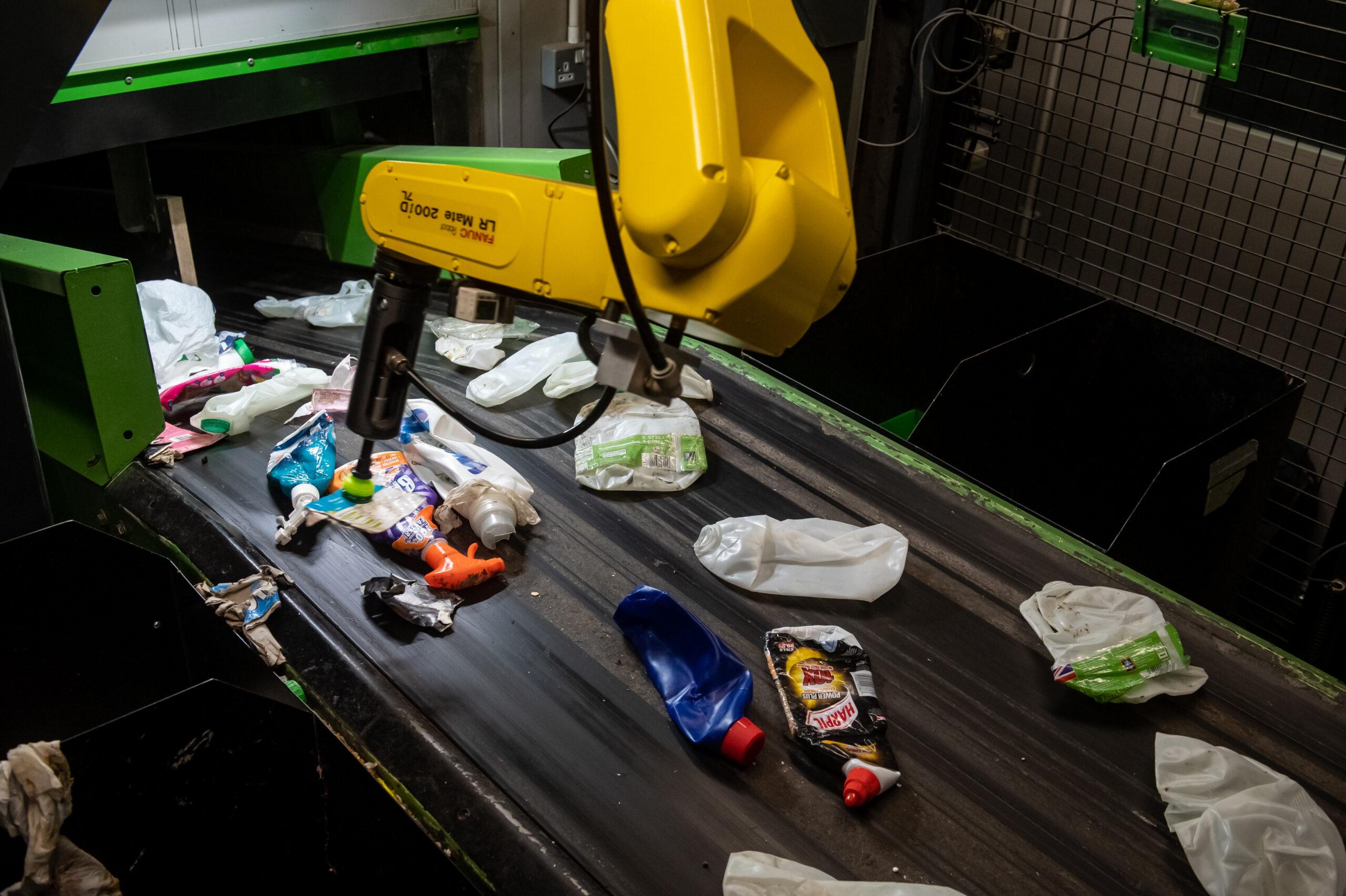
- AI algorithms
- Cloud platforms
19. Advantages of Proper Waste Management
- Cleaner environment
- Reduced diseases
- Resource conservation
- Lower greenhouse emissions
- Renewable energy generation
20. Challenges
- High infrastructure costs
- Lack of public awareness
- Poor segregation
- Hazardous waste handling problems
- Limited landfill space
- Need for skilled workforce
No comments:
Post a Comment